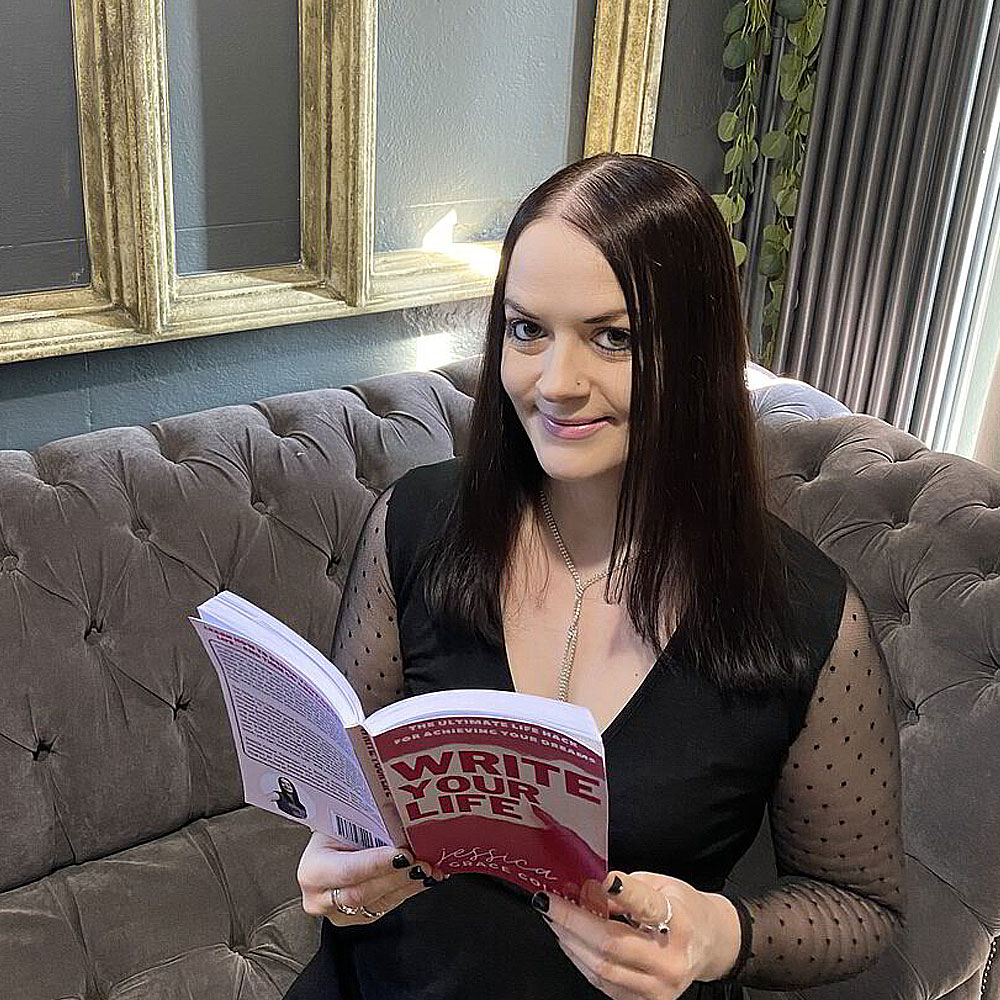
A Day in the Life of a Freelance Book Editor
People sometimes ask me what I actually do all day. I think they imagine me lounging on a sofa with a red pen and a cup of tea, leisurely crossing out commas. The reality is a bit more structured than that, and a lot more varied.
I've been a freelance book editor for over twelve years now, and while no two days are exactly the same, there's a rhythm to how I work that keeps me productive without burning out. Here's what a typical day looks like.
Morning: Fresh Eyes on a Manuscript
I always start editing in the morning. After twelve years and over 1,600 projects, I know my brain is sharpest before lunch. That first cup of tea, the quiet house, and a manuscript I've been looking forward to getting back into. That's the best part of the job.
Before I open the file, I check my notes from the previous session. I keep a running document for every project with things I need to watch for. Character details, timeline points, style choices the author has made. If the main character had brown eyes in chapter three, they'd better not have blue eyes in chapter twelve. That's the kind of thing I'm tracking constantly.
The actual editing process depends on what type of edit I'm doing. For a developmental edit, I'm reading with a wider lens. Does this chapter earn its place in the book? Is the pacing right? Has the author set up enough tension before this reveal? I'm writing margin comments and building a detailed editorial letter as I go.
For an in-depth edit, I'm closer to the text. Sentence structure, word choice, consistency, grammar. I'm rewriting clunky sentences, flagging repeated words, tightening dialogue. This is where I might spend twenty minutes on a single paragraph, trying three different ways to fix a transition that isn't working.
Midday: Client Communication
I usually break up the editing around lunchtime to handle emails and admin. This might be sending a completed manuscript back to an author with their editorial letter, answering questions from a client mid-project, or scheduling upcoming work.
The client communication side is something I genuinely enjoy. When an author gets their edited manuscript back, they often have questions. Why did I suggest cutting that scene? What did I mean by "the motivation feels thin here"? These conversations matter because editing only works when the author understands the reasoning behind the suggestions. I'm not trying to rewrite their book. I'm trying to help them write the best version of their book.
I also do sample edits for new clients during this time. A sample edit is usually around 1,000 words, and it lets both of us check we're a good fit before committing to a full project. I can see what the manuscript needs, and the author can see how I work.
Afternoon: Back to the Manuscript
After lunch, I'll typically do another editing session. If I've been doing detailed line editing all morning, I might switch to a different project for variety. Working on a thriller after a morning spent on a literary novel keeps things fresh.
I also use afternoon time for the parts of editing that people don't see. Fact-checking details an author has included. Looking up whether a particular gun was actually in service in 1943, or whether you can drive from Manchester to Edinburgh in three hours (you can't, and your character shouldn't either). Checking that the moon phase an author describes matches the date they've set the scene on. Readers notice these things.
Some afternoons I'll work on my own writing projects too. I've published over ten books myself, including novels and children's books. Writing my own fiction keeps me sharp as an editor because it reminds me how hard it is. When I'm suggesting changes to an author, I know exactly what it feels like to hear "this chapter needs restructuring."
Late Afternoon: Wrapping Up
Before I finish for the day, I update my project notes and check my schedule. I typically work on two or three manuscripts at once, staggered so I'm never rushing to meet overlapping deadlines. I'll review what's coming up tomorrow, make sure I've replied to everything that needs replying to, and close the laptop.
The thing about freelance editing that surprised me when I started, and still holds true over a decade later, is how personal it is. Every manuscript is someone's creative work. Sometimes it's taken them years to write. Treating that with the right balance of honesty and care is what makes this job worth doing.
Want to Work Together?
If you're looking for an editor who'll give your manuscript proper, focused attention, I'd love to hear from you. You can see my editing services and pricing, or get in touch directly to discuss your project.